Cash Flow for Small Online Sellers: A Simple Guide
Many small sellers make sales but still run out of money. This simple guide explains cash flow in plain words, why the money gap hurts, and easy ways to stay safe.
Here’s a strange thing that happens to small online sellers all the time. Sales are good. Orders keep coming. The shop looks busy and healthy. And yet, the bank account is almost empty, and the seller is stressed about paying for the next batch of stock.
How can a business be selling well and still be short on money? The answer is one of the most important ideas any seller can learn — cash flow.
This guide explains cash flow in the simplest way possible. No finance degree needed. If you sell anything online, even from home, this will help you sleep better at night.
What Cash Flow Actually Means
Forget the textbook words. Cash flow is just this: the timing of money coming in versus money going out.
It’s not about how much you earn in total. It’s about when the money arrives and when you have to spend it. A shop can be profitable on paper and still struggle, if the money goes out faster than it comes in.
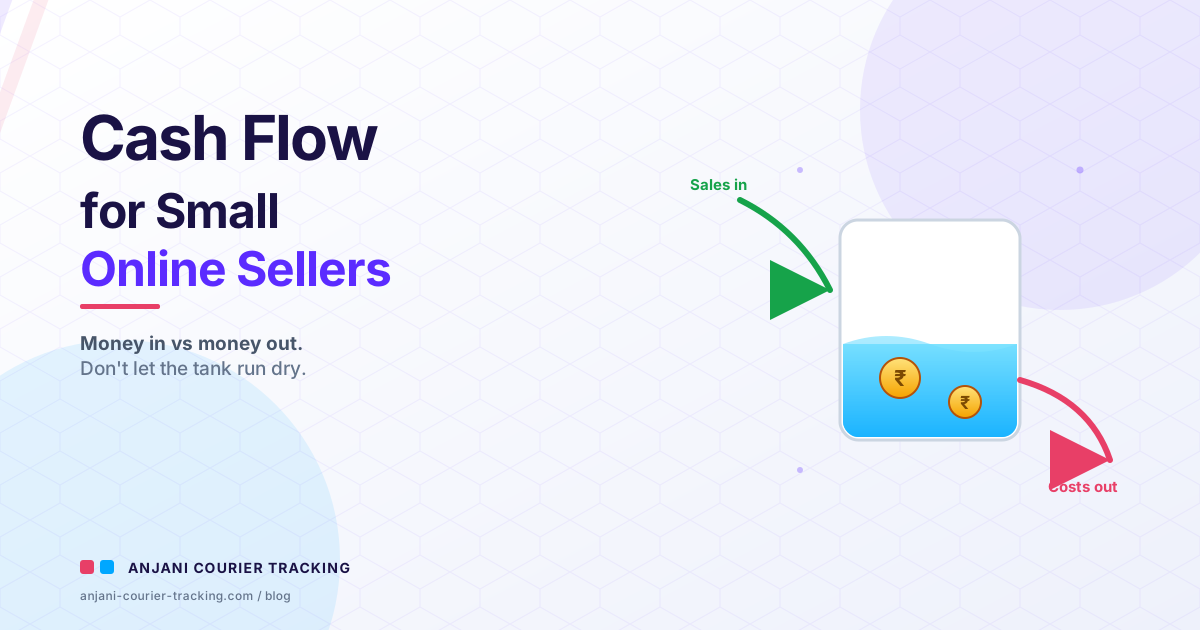
Think of it like a water tank. Water flows in from sales. Water flows out for stock, packing, and shipping. If too much flows out before enough flows in, the tank runs dry — even if you’ll refill it next week. A dry tank means you can’t buy stock, can’t ship orders, and the business stalls.
Why Online Sellers Get Hit Hardest
The cash flow problem is extra painful for online sellers because of one thing — the money gap. The parcel reaches the buyer fast, but the money reaches the seller slowly.
We explained this in detail in how money moves behind every parcel you send. The box and the cash run on two different clocks. The box might arrive in two days. The money might take a week or more to land in your account.
And if you rely on Cash on Delivery, the gap is even bigger. As we broke down in the COD money cycle for sellers, COD cash passes through riders, hubs, pooling, and weekly batches before it reaches you. So your money is almost always “in transit” while your bills are due now.
The Money That Goes Out First
Let’s list what a seller spends before earning a single rupee on an order:
- Stock — you buy the product before you can sell it.
- Packing — boxes, tape, bubble wrap, labels.
- Shipping — you often pay the courier upfront.
- Platform fees — listing and selling charges.
- Returns — when a parcel comes back, you pay again and earn nothing.
All of this leaves your pocket early. The earning comes later. That timing gap is the whole problem.
The Classic Trap: Spending Money You Haven’t Received
Here’s how good sellers get into trouble. They see lots of orders and feel rich. They think, “I’ve sold ₹50,000 this week!” So they spend big on new stock.
But that ₹50,000 isn’t in the bank yet. Most of it is still stuck in the courier’s COD pool or waiting in the platform’s settlement cycle. Meanwhile, the new stock bill is due immediately. Now the seller is squeezed — selling well, but cash-poor.
The rule is simple and worth tattooing on your wall: never spend money that hasn’t actually reached your bank account. A sale is not money. A delivered parcel is not money. Money is money only when it’s in your account and usable.
Simple Ways to Keep Cash Flow Healthy
You don’t need fancy tools. A few simple habits protect most small sellers.
1. Keep a cash buffer. Always hold enough cash to cover stock, packing, and shipping for the days while your sales money is still in transit. This buffer is your safety net. Build it slowly and don’t touch it for daily spending.
2. Know your payout dates. Learn exactly when your platform and courier release your money. When you know cash lands every Friday, you can plan purchases around real dates, not guesses.
3. Push prepaid orders. Prepaid money comes back faster and returns are far lower. Even a tiny discount on prepaid can shift buyers away from slow COD cash.
4. Cut your returns. Returns are a double money loss. Clear product photos, honest descriptions, correct buyer details, and good tracking all reduce them. Our guide on common courier tracking mistakes shows the small slips that cause failed deliveries.
5. Use the smallest safe box. Couriers often charge by space, not just weight. Smaller boxes mean smaller bills, which means more cash stays with you.
6. Set honest delivery promises. Unhappy buyers cancel and return more. Use our state-wise delivery time guide to give realistic dates so buyers wait calmly instead of refusing the parcel.
Track Your Parcels to Protect Your Cash
This part surprises people. Tracking isn’t just about knowing where a box is. It’s a cash flow tool.
The faster you spot a stuck or undelivered parcel, the faster you fix it before it turns into a costly return. The sooner a parcel is delivered, the sooner its money starts the journey back to you. So good tracking literally speeds up your cash and reduces your losses.
You can track any shipment from our homepage and stay on top of every order. For sellers handling many parcels, the habit of checking tracking daily is one of the cheapest ways to protect cash. Our guide on real-time tracking benefits for small businesses goes deeper into this.
Don’t Forget the Tax Money
One more cash flow killer that catches new sellers off guard — tax.
Some of the money you collect isn’t really yours to spend. A part of it is tax that you’ll owe later. If you spend it all, you’ll panic when the tax bill arrives. Keep tax money separate from day one. To understand the basics, read our guide on GST and shipping for small sellers.
A Simple Monthly Habit
Once a month, sit down for ten minutes and write two columns. On one side, list all the money that actually came into your bank. On the other, list all the money that went out. Look at the timing, not just the totals.
If money keeps going out faster than it comes in, your buffer is too small or your returns are too high. Fix that before you grow. Growing fast with weak cash flow is how busy shops suddenly shut down.
The Bottom Line
Cash flow is not about how much you sell. It’s about the timing of money in versus money out. Online sellers get hit hard because parcels move fast but money moves slow, especially with COD.
Keep a buffer. Know your payout dates. Never spend money that hasn’t arrived. Cut returns. Track every parcel. Set aside tax money. Do these simple things, and you’ll avoid the trap that catches so many busy sellers — selling a lot, but always short on cash.
Master your cash flow, and your shop can grow steadily instead of living one bad week away from trouble.