Cash on Delivery (COD) in India: How It Works
A complete guide to Cash on Delivery in India. Understand how COD works, why buyers and sellers prefer it, its risks, and practical tips for a smooth COD experience.
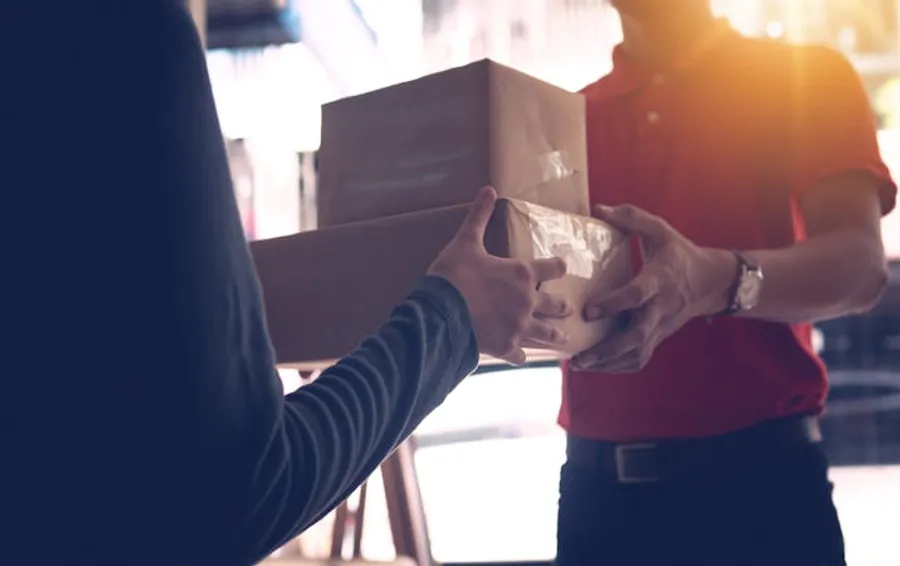
Ask anyone in a small town in Gujarat or Madhya Pradesh how they prefer to pay for online orders, and most of them will say the same thing — “pehle cheez dekh loon, phir paisa dunga.” First let me see the product, then I’ll pay. That one sentence pretty much explains why Cash on Delivery refuses to die in India, no matter how many UPI apps we download.
I’ve been around courier operations long enough to see how COD works from the inside. And honestly, it’s messier than most people realize. But it’s also the single biggest reason why crores of Indians shop online who otherwise wouldn’t.
So What Exactly Happens When You Place a COD Order?
You tap “Cash on Delivery” at checkout and forget about it. But behind that one click, here’s what actually kicks off.
The seller gets your order, packs it, and hands it to a courier company. That parcel then goes through pickup, sorting at a hub, gets loaded onto a truck or a train, reaches another hub near your city, gets sorted again, and finally a delivery boy picks it up for your area. You can track all of this on our homepage if you want to see where your parcel is sitting.
Now here’s where COD gets different from prepaid. When the delivery boy reaches your door, he can’t just hand you the box and leave. He needs to collect money from you first — cash, or these days, many riders accept Google Pay and PhonePe too. That money doesn’t go straight to the seller. The rider deposits it at the courier hub, the company pools it together from all deliveries that day, and then transfers it to the seller after 3 to 7 days. Sometimes longer during festivals.
That delay between you paying the rider and the seller getting the money? That’s the part nobody talks about. And that’s exactly where things get complicated for sellers.
Why Indians Still Love COD
Let’s be real. We’ve all had that one bad experience buying something online. You paid Rs 1,200 for a “branded” jacket, and what showed up looked like it came from a roadside stall. No refund for two weeks. Customer care kept saying “we’re looking into it.” After something like that, you’d pick COD too.
But it’s not just about bad experiences. There are genuinely practical reasons.
My cousin lives in a town near Bhavnagar. He has a smartphone, he browses Meesho and Flipkart daily, but he doesn’t trust putting his debit card details online. He’s not wrong either — he’s heard stories from neighbours about money getting deducted twice, or OTPs not coming through, or refunds stuck for months. For him, COD is the only way he’ll buy anything online. And there are lakhs of people just like him across India.
Then there’s the verification angle. If you’re ordering clothes, you want to check the fabric, the stitching, the size. If it’s electronics, you want to make sure the box isn’t opened or damaged. COD gives you that 30-second window at your door where you can look at the parcel, check things, and only then hand over the money. With prepaid, that window doesn’t exist. You pay first, complain later.
And let’s not ignore the UPI failures. Anyone who uses PhonePe or Google Pay regularly knows that “transaction failed” screen. Server busy. Bank timeout. OTP expired. It happens more often than we’d like to admit. During sale season on Amazon or Flipkart, these failures spike because everyone’s trying to pay at the same time. COD has none of these problems. You hand over cash, you get your parcel. Done.
The Other Side — What Sellers Deal With
Here’s something most buyers don’t think about. COD is expensive for the person selling the product.
I know a guy who sells phone covers on Amazon. He told me that roughly 35% of his COD orders come back undelivered. The buyer either changed their mind, gave a wrong address on purpose, or simply didn’t pick up the phone when the rider called. Every returned parcel costs him shipping both ways — and he doesn’t make the sale. On a Rs 300 phone cover, he’s already running on thin margins. Two returns can wipe out the profit from five successful deliveries.
On top of that, courier companies charge extra for COD. There’s a flat handling fee — usually Rs 15 to 30 per order — plus a percentage of the order value. For a small seller doing 500 orders a month, that’s a real chunk of money.
And the cash flow problem is brutal. With prepaid orders, money shows up in the seller’s account within a day or two. With COD, it takes 5 to 7 days. If you’re a small business buying inventory with that money, you’re basically stuck waiting while your stock runs out.
So why do sellers still keep COD on? Because turning it off kills their orders. I’ve seen sellers try it — they disable COD for a week and their order count drops by 40%. In tier-2 and tier-3 cities, that number is even worse. So they grit their teeth and keep it running.
COD vs Prepaid — A Straight Comparison
| Factor | COD | Prepaid |
|---|---|---|
| When you pay | At your door | While ordering |
| Refund hassle | Just refuse the parcel | Wait 5–10 days for refund |
| Can you check the product first? | Yes | No |
| Extra charges | Rs 20–50 COD fee on some sites | Often gets a discount |
| Cancelling the order | Easy if not shipped yet | Money stuck till refund clears |
Most platforms now give you Rs 20–50 off if you pay online. Flipkart and Amazon both do this. But for anything expensive, or from a seller you’ve never bought from before, COD still makes more sense.
Problems That Actually Happen With COD
I’m not going to list theoretical issues. These are things I’ve seen happen or heard about directly from people.
The rider asks for more than the order amount. This isn’t super common, but it happens. Some riders round up or claim there’s an extra charge. Always look at the printed amount on the shipping label. That’s what you owe. Nothing more. If the rider insists on a different number, don’t pay — refuse the delivery and call the seller.
The box shows up torn or taped over weirdly. If the packaging looks tampered with — tape peeling off, box crushed, any sign that someone opened it — don’t accept it. You haven’t paid yet, so you’re not stuck. Once you hand over the cash, your leverage disappears completely.
The rider doesn’t have change. This one’s annoying but it happens all the time. You owe Rs 670 and you have a Rs 2,000 note. The rider doesn’t carry that kind of change. Now you’re both standing there figuring it out. Just keep the exact amount ready when you know a COD parcel is coming. Check your tracking status on our homepage so you know which day to expect it.
Tracking says “Delivered” but you never got it. Rare, but it does happen. Could be a system glitch or the parcel got handed to a neighbour or a security guard without your knowledge. If your tracking shows delivered and you haven’t received anything, contact the seller and courier company the same day. Don’t wait.
Making COD Work Better — Some Real Advice
If you’re a buyer, three things will save you most of the headaches. Keep exact cash ready. Give a proper address with a landmark and a phone number that you actually pick up. And be home when the parcel is out for delivery — if you miss two attempts, it goes back to the seller and you lose the order.
If you’re a seller, the single most effective thing you can do is call or message the buyer before shipping a COD order. A quick “Hi, confirming your order for XYZ, delivering to this address” message filters out fake orders like nothing else. Some sellers I know reduced their returns by almost half just by doing this one thing.
Also, if you’re selling items above Rs 2,000–3,000, consider making those prepaid-only. High-value COD orders have the worst return rates, and one returned order at that price point hurts.
Where COD is Headed
COD isn’t disappearing. But it’s changing shape. More riders carry QR codes now. You scan, pay via UPI at the door, and the rider marks it as collected. You still get that “pay at delivery” comfort, but without actual cash changing hands. A lot of courier companies have pushed this in the last two years, and it’s working well in cities.
Some apps have started doing partial COD too — you pay Rs 50 or Rs 100 upfront, and the rest at delivery. It cuts down on fake orders because the buyer has some skin in the game. Smart idea, honestly.
But in smaller towns, actual cash-at-the-door isn’t going anywhere for a long time. That’s just the reality. And as long as it stays, COD will keep being the engine that powers online shopping for most of India. If you want to understand how tracking ties into all of this, our beginner’s guide to courier tracking is a good starting point.