COD Money Cycle: When Does the Seller Actually Get Paid?
Cash on Delivery looks simple, but the money takes a long road back to the seller. Here's the full COD payment cycle, the delays, the deductions, and how to manage the wait.
A buyer hands cash to the rider at the door. Simple, right? The product is sold, the money is collected, done. That’s what most people think happens with Cash on Delivery.
But ask any seller who depends on COD and they’ll laugh. From the moment that cash leaves the buyer’s hand to the moment it shows up in the seller’s bank account, it goes on a long, slow journey. Days pass. Fees get cut. And during festival season, the wait gets even worse.
If you sell online and a big share of your orders are COD, you must understand this money cycle. Not knowing it is how good sellers run out of cash in the middle of a busy month. Let’s walk through it step by step.
First, a Quick Recap of How COD Works
When a buyer picks Cash on Delivery, they pay nothing upfront. The seller still has to pack the item, pay for shipping, and send it off — all from their own pocket. The money only changes hands when the rider reaches the door and collects it.
We covered the buyer’s side of this in detail in our guide on how Cash on Delivery works in everyday life. This post is about the other side — the seller’s side, where the real money worry sits.
The Full COD Money Cycle, Step by Step
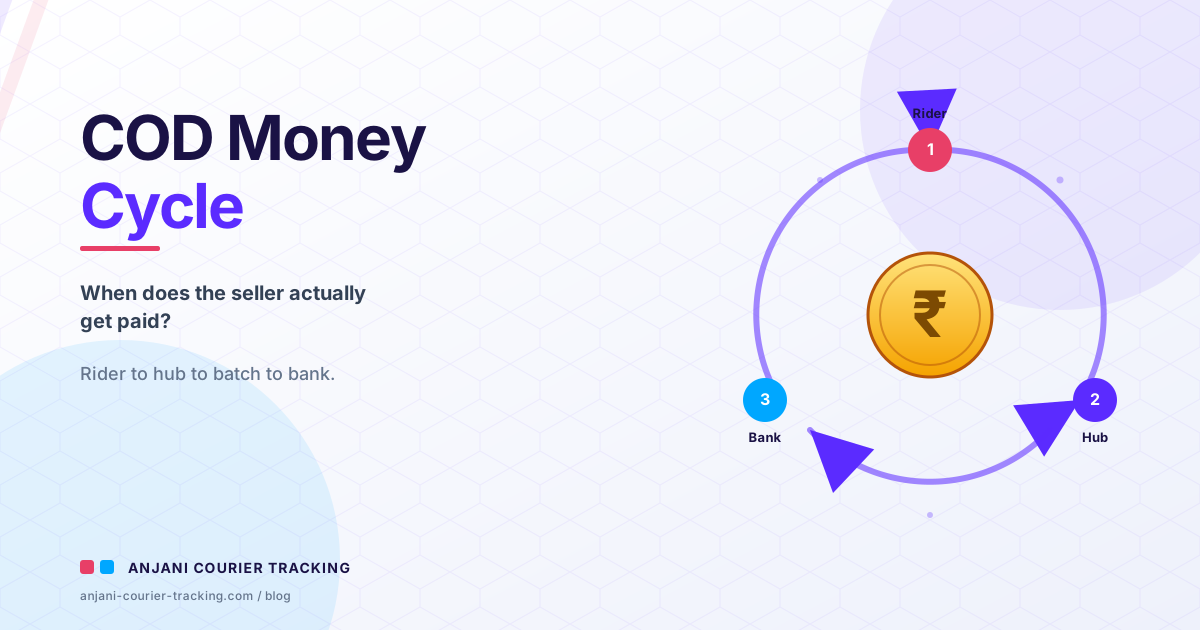
Here’s the actual path the cash takes after it leaves the buyer’s hand.
Step 1 — The rider collects the money. Cash, or these days often a UPI scan. The rider now holds your earning, not you.
Step 2 — The rider deposits it at the hub. At the end of the route, the rider hands over all the day’s collected cash to the local courier hub. Your money is now sitting with the courier company, mixed in with money from hundreds of other parcels.
Step 3 — The courier pools and counts. The company gathers COD money from all its hubs. It matches each payment to the right parcel and the right seller. This sorting takes time, and it’s where small errors can cause delays.
Step 4 — The settlement batch is prepared. Couriers don’t pay sellers one order at a time. They settle in batches — often once a week, sometimes twice. Your money waits for the next batch date.
Step 5 — Deductions are taken out. Before you get paid, the courier removes its shipping fee and a small COD handling charge. So you never receive the full amount the buyer paid.
Step 6 — The money reaches your bank. Finally, the leftover amount lands in your account. This is your real earning from that COD sale — usually several days after the parcel was delivered.
So the cash you “received” on Monday might only become usable bank money the following week. That gap is the heart of the COD problem.
Why the Wait Is So Long
Sellers often get angry about the delay, but there are real reasons behind it.
- Pooling takes time. Cash from thousands of riders has to be collected, counted, and matched to the right sellers. That’s a huge daily job.
- Batch settlement is the norm. Paying every seller instantly for every order would be a banking nightmare. So companies settle in fixed cycles.
- Checks and safety. The company verifies that the cash collected matches the orders delivered, to avoid fraud and mistakes.
- Festival rush. During big sale seasons, order volume explodes. More parcels means more cash to count, which stretches the wait even longer — exactly when sellers need money fastest.
None of this is the seller being cheated. It’s just how the system works. But knowing it lets you plan around it instead of getting caught short.
The Hidden Cost of the Gap
Here’s the trap. A seller sells fast, ships fast, and feels successful. Orders are flying out. But the money from those orders is still stuck in the courier’s pool. Meanwhile, the seller needs cash now — to buy more stock, pay for packing, and cover new shipping charges.
So they’re selling well but feeling broke. This is the classic COD cash crunch. The faster you grow, the bigger this gap becomes, because more and more of your money is always “in transit” back to you.
This is the same money-gap idea we explained in how money moves behind every parcel you send — the box and the cash run on two different clocks. With COD, that gap is at its widest.
Returns Make It Even Worse
With COD, returns hit twice as hard. If a buyer refuses the parcel or isn’t home, the item comes back. You pay shipping both ways and earn nothing. Worse, you may have already counted that sale in your head as money coming in — and now it’s gone, replaced by a loss.
A high COD return rate can quietly destroy a small seller’s finances. Many of these failed deliveries come from avoidable issues — wrong address, no buyer contact, or the buyer simply forgetting. Good tracking and timely updates cut these down a lot. Our guide on common courier tracking mistakes to avoid is worth a read if returns are eating your profit.
How Smart Sellers Manage the COD Wait
You can’t remove the delay, but you can plan for it. Here’s what experienced sellers do.
Keep a cash buffer. Always have enough working cash to cover stock and shipping for the days while your COD money is still in transit. Never spend assuming the money has already arrived.
Know your settlement date. Learn your courier’s exact payout cycle. When you know money lands every Friday, you can plan purchases around it instead of guessing.
Push prepaid where you can. Prepaid orders return your money faster and have far fewer returns. Small discounts or free shipping on prepaid orders can gently move buyers away from COD.
Track everything. The faster you spot a stuck or undelivered parcel, the faster you act. You can track any shipment from our homepage and stay ahead of delivery problems before they turn into returns. If you book COD orders in person, keep your nearest Anjani Courier branch handy too.
Plan extra cash for festivals. Since settlements slow down during peak season, keep a bigger buffer ready before the rush, not during it.
Managing this wait is a core part of running a healthy shop. We go deeper into building that safety cushion in our guide to cash flow for small online sellers.
The Bottom Line
COD is loved by buyers and it brings in sales a seller would otherwise lose. But the money it brings is slow money. It takes a long road home — through riders, hubs, pooling, batches, and deductions — before it ever reaches your account.
The seller who understands this cycle keeps a cash buffer, tracks every parcel, and never spends money that’s still in transit. The one who ignores it keeps wondering why a record sales month still left the bank account empty.
Know your COD cycle. Plan for the wait. That single piece of knowledge keeps small shops alive.